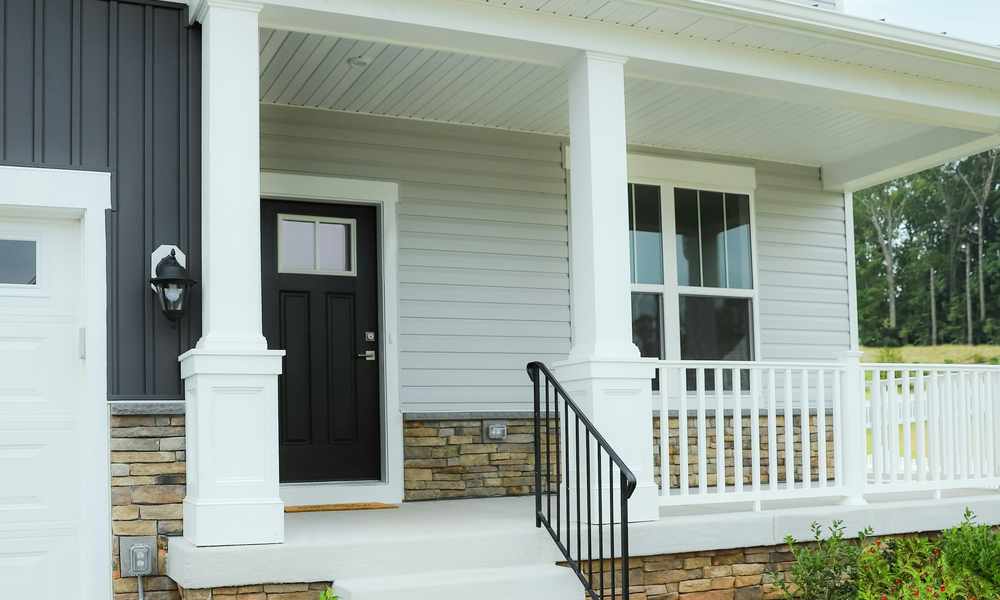
Fiber cement is the gold standard for siding in the Victoria, TX climate — it delivers the rich look of real wood but resists the sun, moisture, fire, and pests that destroy lesser materials. Victoria Siding Pros is an experienced fiber cement installer, giving your home a beautiful, durable exterior that holds up for decades.
What’s Included
- Fire- and pest-resistant
- Holds paint far longer than wood
- Won't rot, warp, or crack easily
- Wood-look without the maintenance
- Long manufacturer warranties (varies by manufacturer)
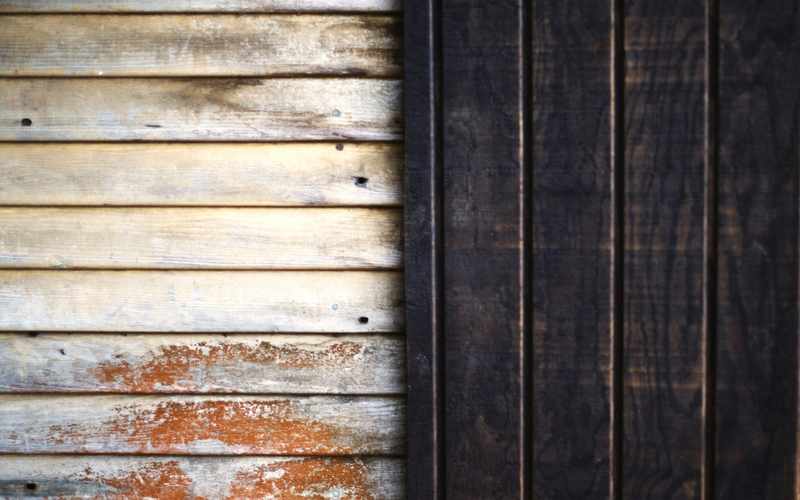
Why Fiber Cement Wins in Texas
Our intense sun and heat are brutal on siding. Fiber cement doesn't warp, rot, or feed termites, it's highly fire-resistant, and it holds paint dramatically longer than wood — so you repaint far less often. It comes in lap, panel, and shingle profiles and a huge range of colors and textures, so you can match nearly any home style.
Installed correctly, with proper flashing and sealing, it's one of the best long-term investments you can make in your home's protection and value. Because it's cement-based rather than wood or plastic, it also doesn't expand and contract with heat the way vinyl can, which keeps seams and reveals looking straight over time.
- Lap, panel, and shingle-style profiles
- Factory or field finishes in many colors
- Proper flashing and moisture management
- Decades-long product warranties (varies by manufacturer)
Signs Your Fiber Cement Siding Needs Attention
Fiber cement is built to last, but no siding is maintenance-free forever. A few warning signs are worth a call before a small repair turns into a bigger one:
Cracked, chipped, or warped boards
Soft spots you can press a screwdriver into
Mold, fungus, or peeling paint on the surface
Cracked or missing caulk at seams and trim
Rising energy bills that point to a failing barrier behind the siding
A field-finished board that's due for its next repaint
Fiber Cement vs. Vinyl: Which Fits Your Home
Fiber Cement
Costs more upfront and takes more labor to install correctly, but holds paint far longer, resists fire and pests, and doesn't soften or warp in direct summer sun the way lower-grade vinyl can. For a home meant to last decades, that trade-off usually pays for itself.
Vinyl
Costs less upfront and installs faster, which matters if you want your home closed back up quickly after storm damage or a fast refresh. Quality-grade vinyl performs well in this climate, though it can't match fiber cement's fire resistance or long-term paint life.
How Fiber Cement Installation Works
Most siding failures — on either material — trace back to bad flashing or a missing moisture barrier, not the material itself. Here's what a correct fiber cement install actually involves:
A weather-resistant barrier goes up first, with every seam and penetration flashed before a single board is hung
Fiber cement is heavier and denser than vinyl, so it's scored-and-snapped or cut with a shear or dust-collecting saw rather than a standard blade
Fasteners are driven at the manufacturer's specified pattern and depth so boards aren't overdriven or split
Factory-primed boards arrive with color already baked on; field-finished boards are primed and painted on site after installation
Every joint gets caulked with a paintable, flexible sealant rated for exterior use
What Affects the Cost of Fiber Cement Siding
Every fiber cement quote is different because every home is different. The main factors:
Your home's size and how much surface area needs new siding
Which profile you choose — lap, panel, or shingle-style
Factory-finished boards versus field-finished boards that need painting after installation
Whether repairs are needed to the sheathing or moisture barrier underneath before new boards go up
Color and texture customization
Caring for Fiber Cement Siding
Fiber cement is genuinely low-maintenance, but "low" isn't "none." Caulked joints and trim seams are worth a visual check once or twice a year and re-caulking if they crack or pull away. Factory-finished boards hold color for a long time; field-painted boards will eventually need a fresh coat, on a longer cycle than wood. Keep mulch, soil, and dense plantings from piled up against the bottom edge — constant ground contact is one of the few things that can cause problems, since it keeps that edge wet.
A gentle rinse with a garden hose (not a pressure washer aimed directly at the seams) keeps it looking new. If you notice a cracked board, a gap at a seam, or a spot that looks different from the rest, that's worth a call before it turns into a bigger repair.