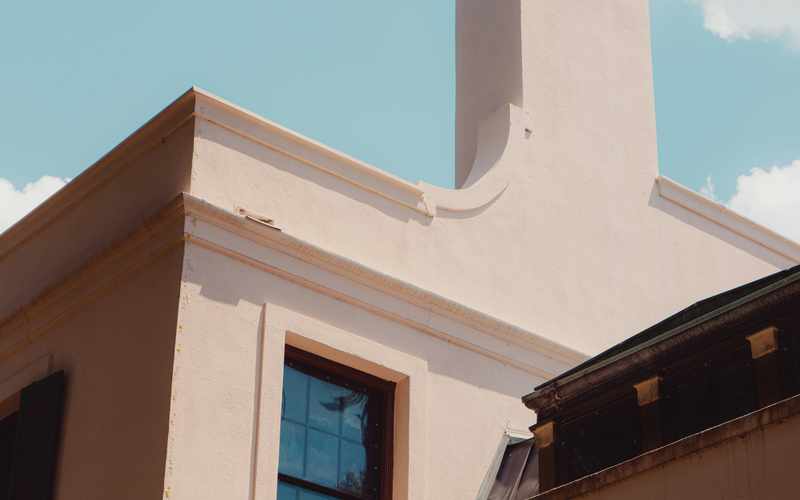
Stucco gives a home a clean, seamless, timeless look and excellent durability — when it's applied correctly. Victoria Siding Pros installs and repairs both traditional and modern stucco systems for Victoria, TX homes, with the proper moisture management that keeps stucco performing for the long haul.
What’s Included
- Traditional & synthetic (EIFS) stucco
- Seamless, durable finish
- Crack and damage repair
- Custom textures and colors
- Proper moisture barriers
Done Right Beneath the Surface
Stucco failures almost always trace back to what's behind it — missing or bad moisture barriers and flashing that let water get trapped. We install stucco over proper weather-resistant barriers with correct flashing so it sheds water instead of trapping it. The result is a durable, great-looking finish in the texture and color you want.
We also repair cracked, stained, or damaged stucco and match existing textures so repairs blend in.
Signs Your Stucco Needs Repair
Not every mark on a stucco wall means the same thing. Here's how to tell what you're looking at:
Thin, hairline cracks in the surface coat — usually cosmetic
Wide, stair-step, or spreading cracks, especially near windows and corners — often a sign of trapped moisture or substrate movement
Staining or discoloration on the surface
Soft spots you can press in
A hollow sound when you tap the wall — a sign water has already gotten in behind the finish coat
Traditional Three-Coat vs. Synthetic (EIFS) Stucco
Traditional Stucco
A three-coat cement-based system — a scratch coat keyed into the substrate, a brown coat that builds thickness, and a finish coat that carries the texture and color. It's breathable, durable, and repairable in sections without redoing the whole wall.
Synthetic Stucco (EIFS)
Builds up over a foam insulation board with a base coat, embedded mesh, and a finish coat on top. It adds real insulation value the traditional system doesn't, but depends entirely on correct water-management detailing — drainage planes, flashing, sealant joints — to avoid trapping moisture behind the foam.
How Stucco Installation Actually Works
Stucco reads as one seamless surface, but it's a layered system built up over several stages — each one needs proper cure time before the next goes on, which matters even more in South Texas humidity:
A weather-resistant barrier goes up first to keep bulk water from reaching the sheathing behind the stucco
Metal lath is fastened over the barrier with proper overlap at seams, giving the cement coats something to grip
The scratch coat is applied and scored in a crosshatch pattern while still workable, so the next coat can bond to it
The brown coat builds the wall's thickness and levels out any irregularities before it's allowed to cure
The finish coat goes on last, carrying the texture and color, and needs to cure fully before paint or sealant goes over it
What Affects the Cost of Stucco Work
Stucco pricing depends on more than square footage:
Your home's size and how much wall area needs coverage
Traditional three-coat stucco versus a synthetic (EIFS) system
The texture and color finish you choose
Whether moisture damage is found behind the surface that needs addressing before refinishing
How closely a repair needs to match existing texture and coat thickness
Texture & Color Options
Stucco finish texture is chosen at the last coat: a fine sand float gives a smooth, subtle grain; a heavier float or dash finish adds more texture and hides minor imperfections; knockdown flattens a sprayed-on texture for a softer, mottled look. Color can be mixed integrally into the finish coat (so small chips and scuffs don't show a different color underneath) or applied as an elastomeric paint over a cured finish coat, which opens up a wider color range.