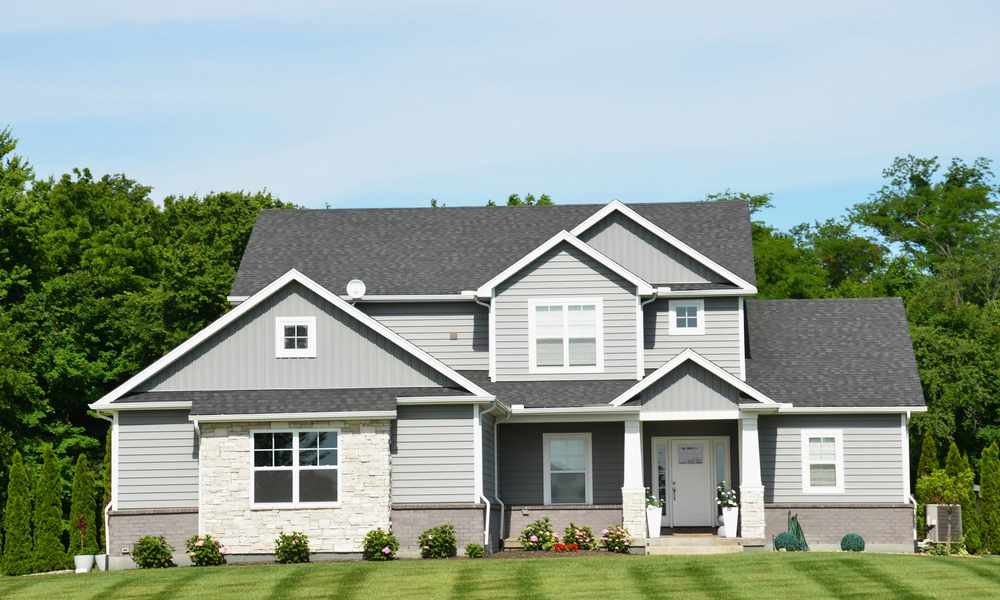
Vinyl siding remains one of the most popular exterior choices for good reason: it's affordable, it never needs painting, and it comes in a wide range of colors and styles. Victoria Siding Pros installs quality vinyl siding for Victoria, TX homeowners who want a fresh, low-maintenance exterior without a premium price.
What’s Included
- Budget-friendly exterior update
- Never needs painting
- Many colors and profiles
- Insulated options available
- Fast installation
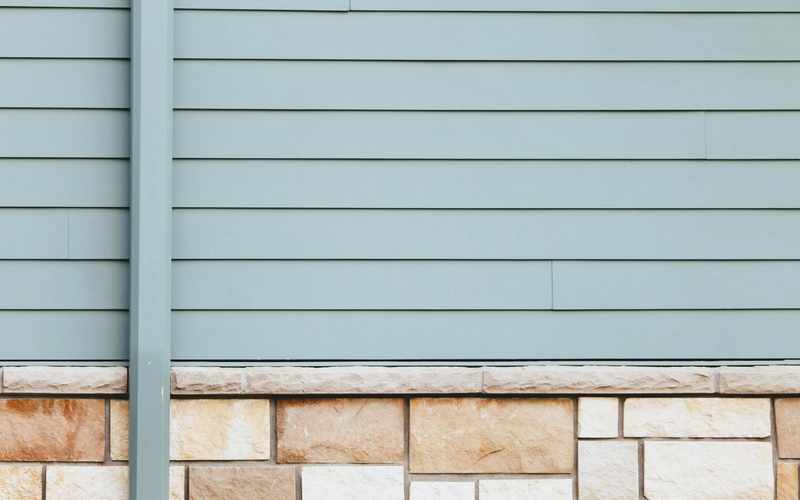
Great Looks, Almost No Upkeep
Modern vinyl has come a long way — realistic wood-grain textures, richer colors, and insulated backings that improve energy efficiency. It won't peel or need repainting, and a quick rinse keeps it looking new. For homeowners who want the biggest visual upgrade for the budget, quality vinyl installed correctly is hard to beat.
Vinyl also installs faster than fiber cement or stucco, which means less time with your home's exterior opened up. That matters most on a repair or a full re-side you want wrapped up before summer heat or storm season sets in.
Signs Your Vinyl Siding Needs Attention
Vinyl is low-maintenance, but a few warning signs are worth a closer look:
Visible rippling or waviness, especially noticeable at a low angle in bright sun
Panels that don't lie flat, or that flex loosely when pressed
Cracked, warped, or loose panels
Buckling that's more pronounced on darker-colored siding
Soft spots, mold, or peeling paint on trim around the siding
Rising energy bills that suggest a failing barrier behind the panels
Is Vinyl Right for a Texas Home?
Quality-Grade Vinyl
Holds its shape and color for years under sustained Texas sun and heat. It costs more than the cheapest panels on the shelf, but that's the difference worth paying for — not the brand name on the box.
Lower-Grade Vinyl
Can soften, warp, or fade faster under the same conditions. It costs less upfront, which is tempting, but the savings can disappear quickly if the siding needs attention again within a few years. See our fiber cement siding page for the full trade-off against a longer-lasting material.
How Vinyl Installation Works
Vinyl expands and contracts with heat more than fiber cement does, so a correct install plans for that movement instead of fighting it:
The weather-resistant barrier underneath is checked and properly lapped before any panel goes up — vinyl sheds bulk water but isn't sealed at the seams the way stucco or caulked fiber cement is
A starter strip goes up at the bottom, and panels interlock going up with J-channel trimming out windows, doors, and corners
Fasteners are centered in each panel's elongated nail slot and left slightly loose, never cinched down tight
Small expansion gaps are left where siding meets J-channel, corner posts, and window or door trim
Panel overlaps are left with enough play to slide rather than being cinched tight against the panel underneath
What Affects the Cost of Vinyl Siding
Vinyl is generally the most budget-friendly siding option, and a few things move the number from there:
Your home's size and how much surface area needs new siding
Panel profile — double-4 or double-5 clapboard, dutch lap, or vertical board-and-batten
Standard hollow-back panels versus insulated vinyl with a foam backing
Color selection, since darker colors run hotter and can call for more careful installation
Whether repairs are needed to the sheathing or barrier underneath before new panels go up
Profiles, Colors & Insulated Options
Vinyl comes in a range of panel profiles — double-4 and double-5 clapboard being the most common, plus dutch lap for a shadow-line look and vertical board-and-batten for accent areas or a different architectural style. Color selection matters more here than with paintable materials, since vinyl isn't repainted: darker colors absorb more heat, which can matter on a wall that gets full afternoon sun, so we'll talk through how a color performs, not just how it looks on a sample chip.
Insulated vinyl adds a foam backing bonded to the panel, which stiffens the siding (less oil-canning and rippling), improves the wall's R-value, and gives a more solid feel when you tap it. It costs more than standard hollow-back vinyl but is worth discussing if energy efficiency or a more substantial feel matters to you.